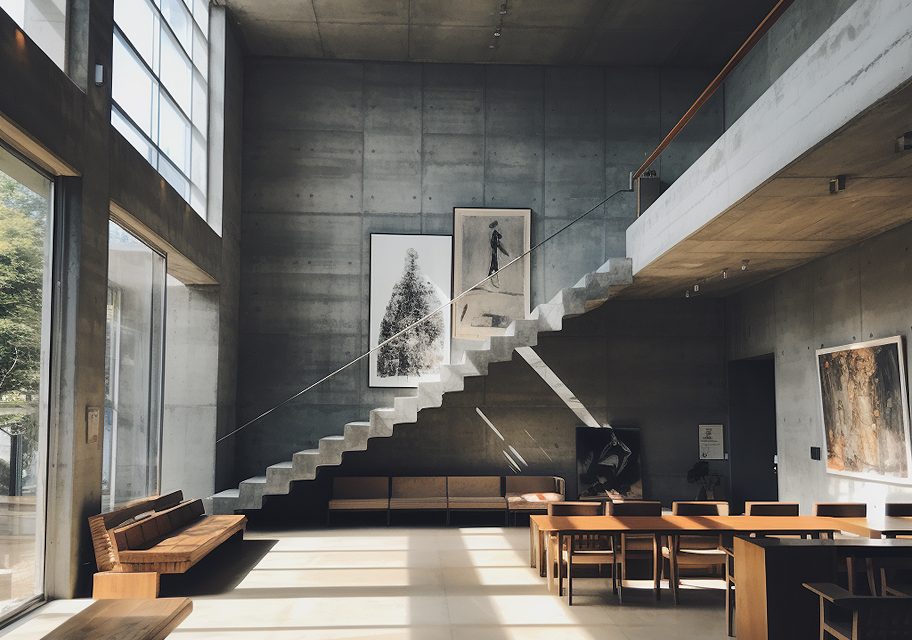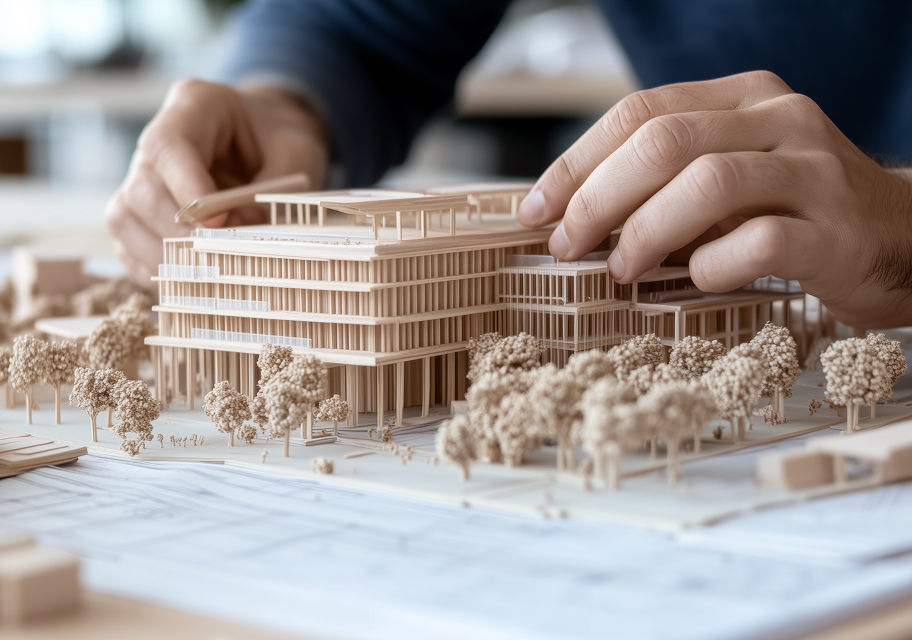
Biophilic office design considers how a workplace can connect people with natural elements and patterns. Planting is one option, but the brief can also consider daylight, outdoor views, materials and the experience of moving through the space. The design still needs to serve the organisation's everyday work.
Begin with the existing space
Review windows, daylight conditions, views, circulation and the activities planned for each area. Identify where people need concentration, collaboration or a short break. Consider glare, privacy and the location of screens before deciding that every workstation should face a window.
Choose planting with maintenance in mind
Consider available light, watering access, drainage, cleaning and replacement responsibilities. Planters should not obstruct circulation or access to equipment. A small, well-maintained installation may be more appropriate than a large feature whose upkeep has not been planned.
Look beyond decorative greenery
Material textures, colours and visual connections to the outdoors can be considered alongside planting. Select finishes for their intended use, cleaning requirements and durability, rather than relying only on an attractive sample or a natural-sounding product label.
Coordinate comfort as a whole
Greenery does not replace the need to plan lighting, acoustics, ventilation and an appropriate workspace layout. Review the proposal with the relevant design and engineering team. Avoid assuming that a decorative feature will deliver a particular health, productivity or air-quality outcome.
Make the concept specific to the business
Connect the design choices to the company's identity, the site and the people using it. Record what will be installed, who will maintain it and how the workplace will be used after handover.
AmertaCorona's office interior design service brings workplace requirements, materials and layout together. View our project portfolio or discuss your workplace brief.